Richard Bedford Bennett (1870-1947)
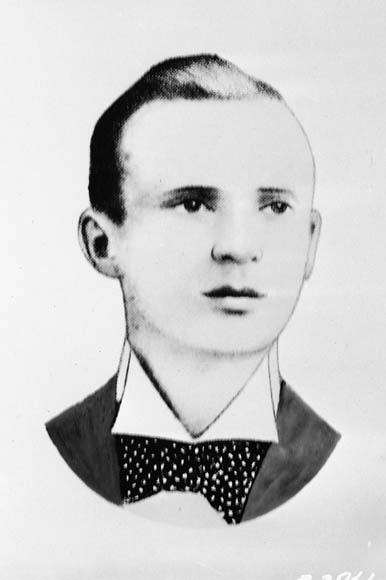
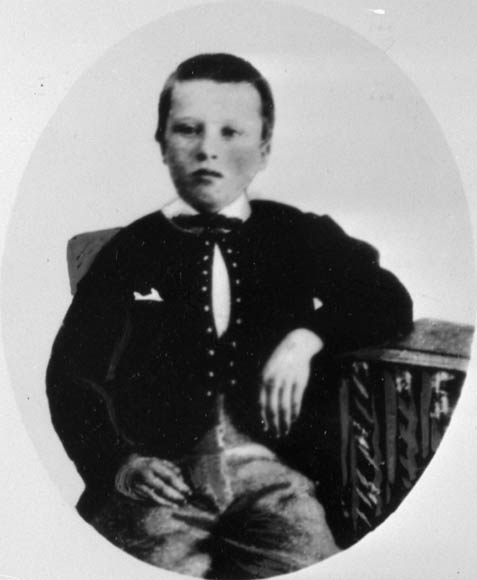
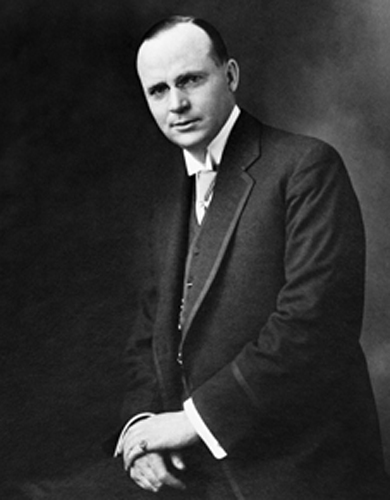
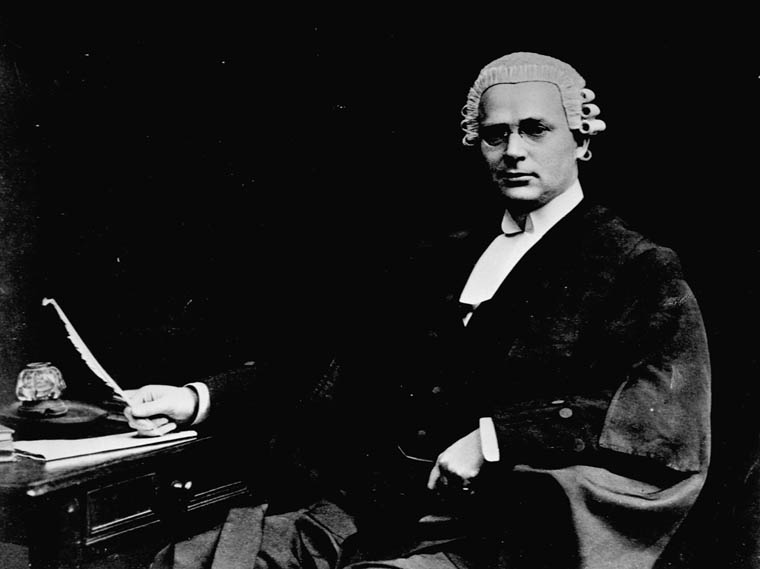
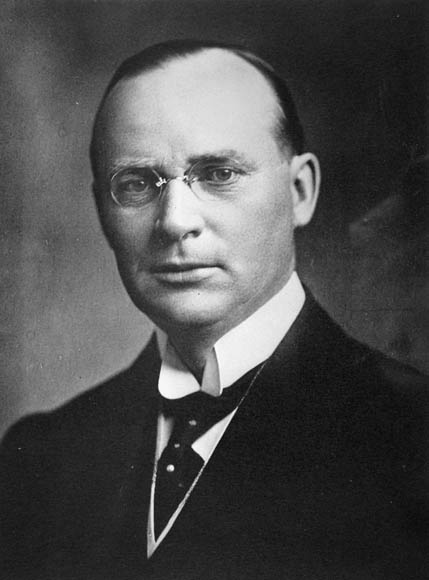
was Canada’s eleventh Prime Minister and leader of the Conservative government from August 7th, 1930 to October 23rd, 1935, a period of tribulation that encompassed the worst years of the Great Depression.
Born on July 3rd, 1870 to Henrietta Stiles and Henry Bennett, a ship-building family, R. B. Bennett grew up in Hopewell Cape. His early education was rudimentary, but his mother instructed him in the classics. After teaching school for a few years, Bennett graduated from Dalhousie University in 1893 and practiced law in Chatham, New Brunswick for four years before moving to Calgary in what was then the Northwest Territories.
He served as Member of the Assembly of the Territories for six years before being elected MLA and Leader of the Opposition (1909-1911) in the new Alberta Legislature. He was president of the Calgary Power Company (1910-1920) and legal counsel for the Canadian Pacific Railway for many years. Bennett entered national politics and represented the constituency of Calgary East from 1911 to 1917, then Calgary West from 1925 to 1939.
R. B. Bennett held many portfolios during his years in government including: Director-General of National Service (1914-1917); Minister of Justice and Attorney General (1921); Minister Without Portfolio (1926); Minister of Finance (1926); Receiver General (1926, 1930-1932); Minister of Mines and Interior and Superintendent of Indian Affairs (1926); Secretary of State for External Affairs and President of the Privy Council (1930-1935). In 1927 he was elected leader of the Conservative Party. Bennett was an excellent parliamentarian and debater who strengthened his party leading up to the election of 1930.